The bore in the cylinder head for the EUI is directly through the cylinder head water jacket. To prevent coolant from contacting the injector and still maintain maximum cooling of the injector, a copper tube is pressed into the injector bore. The tube has a ring seal at the top and is flared at the bottom, on the lower side of the cylinder head, to create water and gas-tight joints at the top and bottom.
Note: It is recommended that the injector tube be replaced with new parts at the time of engine overhaul.
Section 2.4.1 Repair or Replacement of N2 Fuel Injector Tube
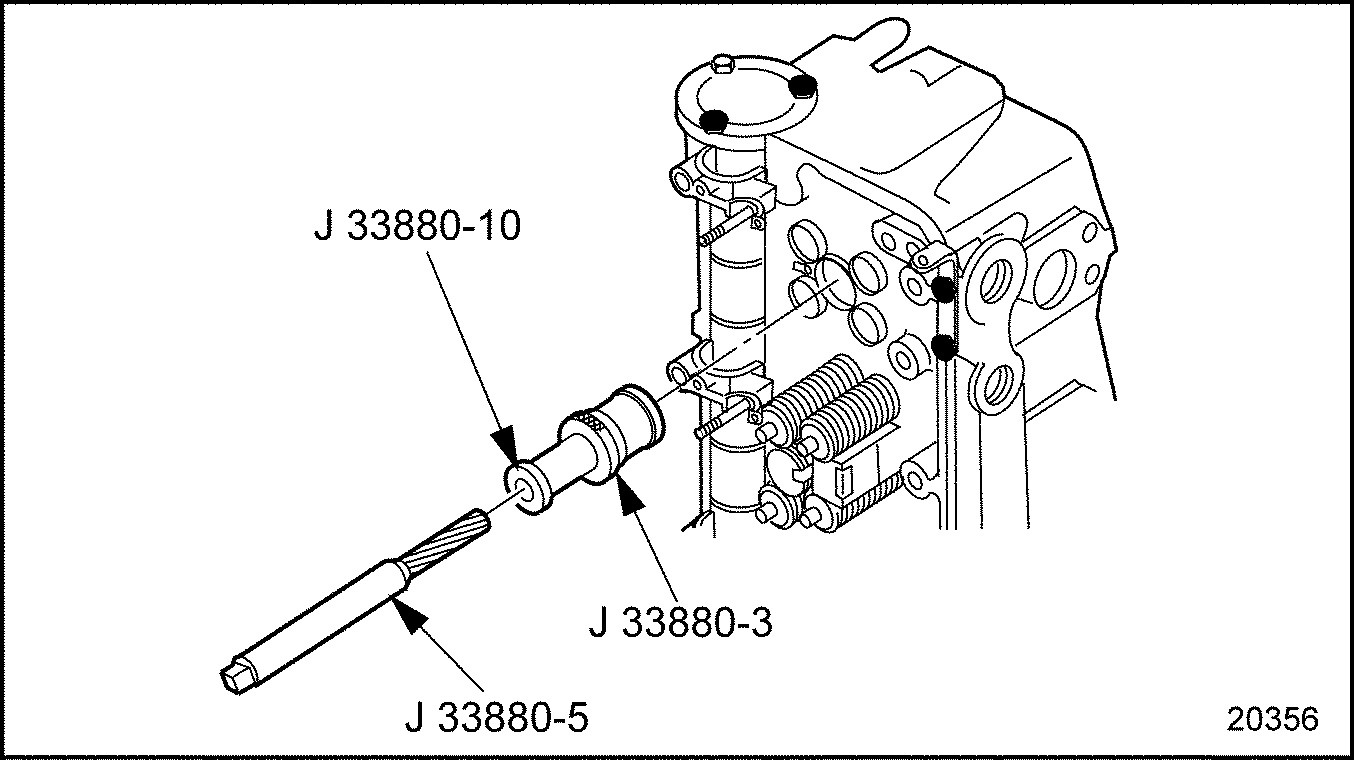
Tap on the end of the pilot using a brass hammer or fiber mallet. Using J–33880–4
and J–5286–5 (part of tool set J–33880)
carefully drive and lift the injector tube from the cylinder head. If the injector tube O-ring is not removed with the injector tube, remove the O-ring from the cylinder head casting at the upper end of the injector tube bore. Discard O-ring.
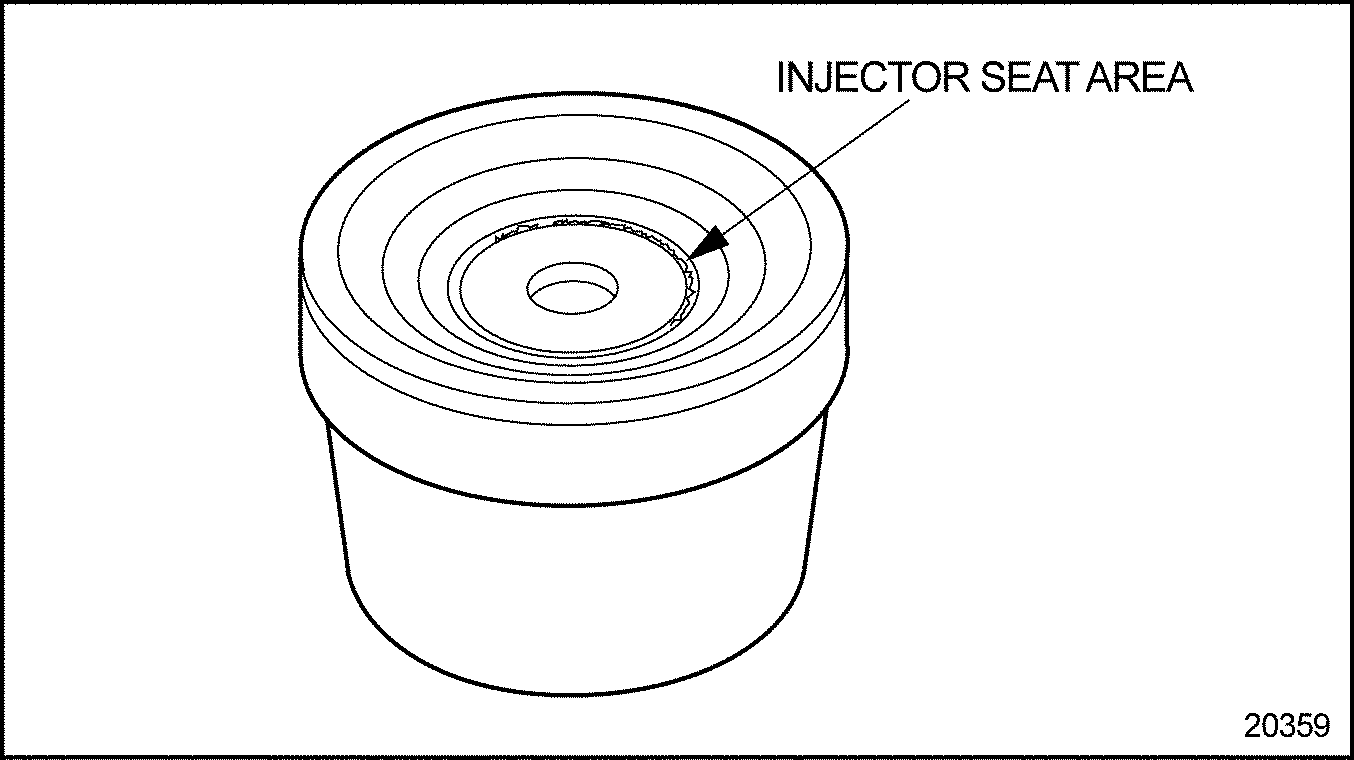
Detroit Diesel has made a machining improvement on the Series 60 cylinder head injector tube bore. This machining improvement removes cast iron material from the head at the crevice area, located just above the injector tube to cylinder head sealing land. See Figure
"Crevice Area"
Figure 3. Crevice Area
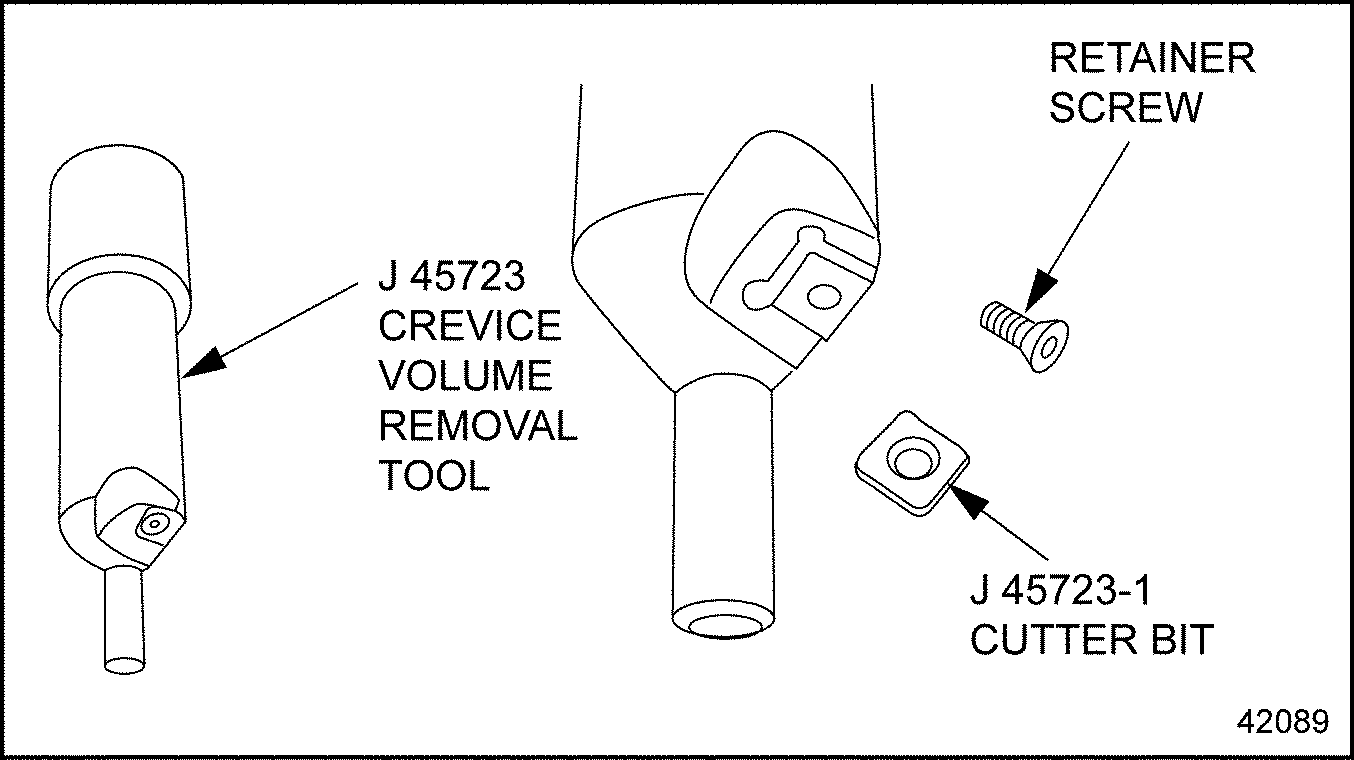
This process was implemented on new engines beginning with engine serial number 06R0656739. An injector nozzle seat cutter (J–45723)
is now available to perform this machining process to engines built before engine serial number 06R656739. This tool includes two replacement bits. Additional bits (J–45723–1, part of tool set J–45723)
are also available. See Figure
"N2 Injector Nozzle Seat Cutter (J–45723)"
.
This procedure is required whenever the injector tubes are removed and only on engines built before engine serial number 06R0656739.
Apply cutting oil to cutting bit.
Ensure injector tubes and O-rings are removed from injector bores.
Note: Do not drop tool in bore, doing so would cause the cutting bit to chip.
Gently guide the injector nozzle seat cutter (J–45723)
in injector tube bore taking caution not to score injector O-ring sealing surfaces.
Note: Do not rotate tool in the counterclockwise direction as damage to the cutting bit will occur.
Using a speed handle and socket, turn cutter approximately 10 clockwise rotations at one turn every two seconds using moderate downward force.
Remove tool and inspect bit after each cut. If bit is chipped remove allan bolt and rotate bit 90 degrees. Replacement bits (J–45723–1, part of tool set J–45723)
are available.
Thoroughly flush metal shavings from injector tube bores.
Section 2.4.4 Cleaning of N2 Injector Tube
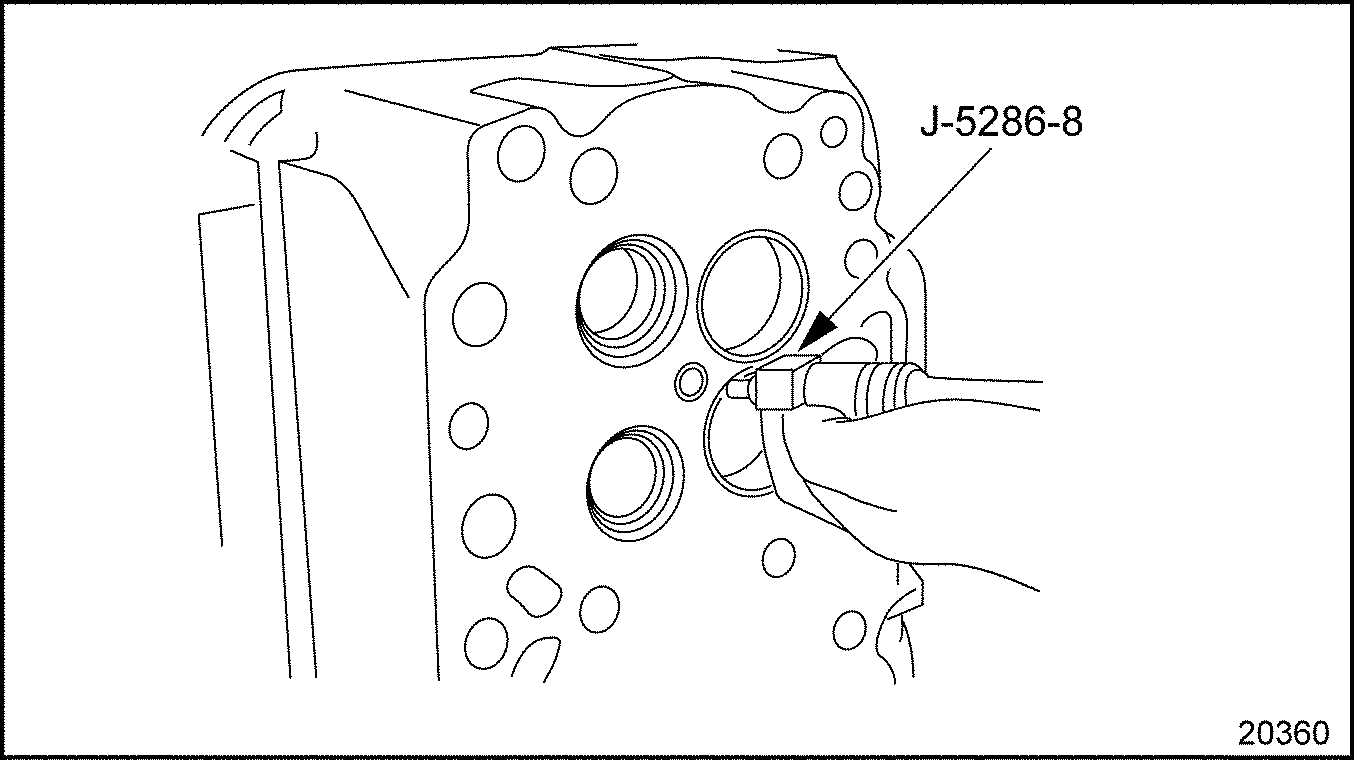
Thoroughly clean the injector tube hole in the cylinder head to remove any dirt, burrs, or foreign material that may prevent the new tube from seating at the lower end or sealing at the upper end. Excess material in the form of a small copper ring may be left at the lower end of the injector tube counterbore after the injector tube has been removed. This copper ring will have to be removed using a suitable sharp-pointed tool.
Section 2.4.5 Installation of Auxiliary Injector Seal
Perform the following for installation of auxiliary injector seal.
NOTICE:
If a cylinder head has a damaged injector hole tube seal, coolant may seep past the seal after injector removal. Drain down the injector tube hole, and fill the combustion chamber. If this condition goes undiscovered and the coolant is not removed from the cylinder before the injector is replaced, the engine may be damaged at startup. Always check cylinders for possible coolant seepage before replacing injectors and use care to prevent coolant or fuel from contaminating the engine lubricating oil.
NOTICE:
Do not use a metal dowel to install the auxiliary injector seal, as this may damage the seal.
Section 2.4.6 Installation of N2 Injector Tube and O-ring
Perform the following steps for injector tube installation:
NOTICE:
DO NOT lubricate the outside of the injector tube or inside the cylinder head injector tube bore to facilitate installation of the tube. Lubricant may cause the tube to turn during reaming or flaring operations possibly damaging the injector tube or reamers.
Note: This ring was formerly made of fluoroelastomer and had a blue coating for identification. It is now made of a special blended fluorocarbon material with a green teflon coating for identification. Former and current-design seal rings are completely interchangeable, and only the current green-coated seal ring will be serviced.
Install both J–33880–4 (part of tool set J–33880)
and injector tube into the injector bore. Ensure the tip of the injector tube goes through the small hole in the fire deck. Tap lightly on the end of the tool, if necessary, to seat the tube.
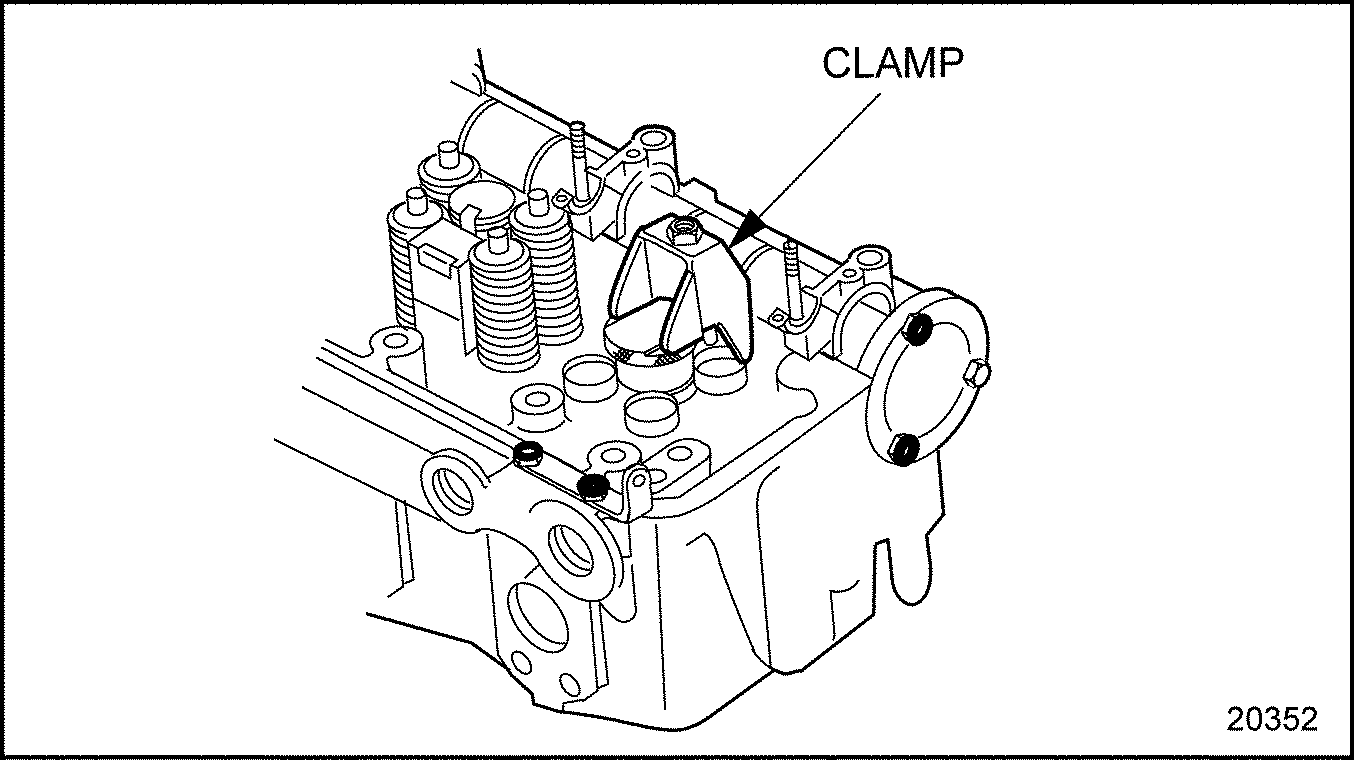
Torque the EUI hold-down clamp bolt 58-66 N·m (43-49 lb·ft). This will seat the injector tube at the desired depth.
After an injector tube has been installed in a cylinder head, it must be finished.
Perform the following steps for a flaring injector tube:
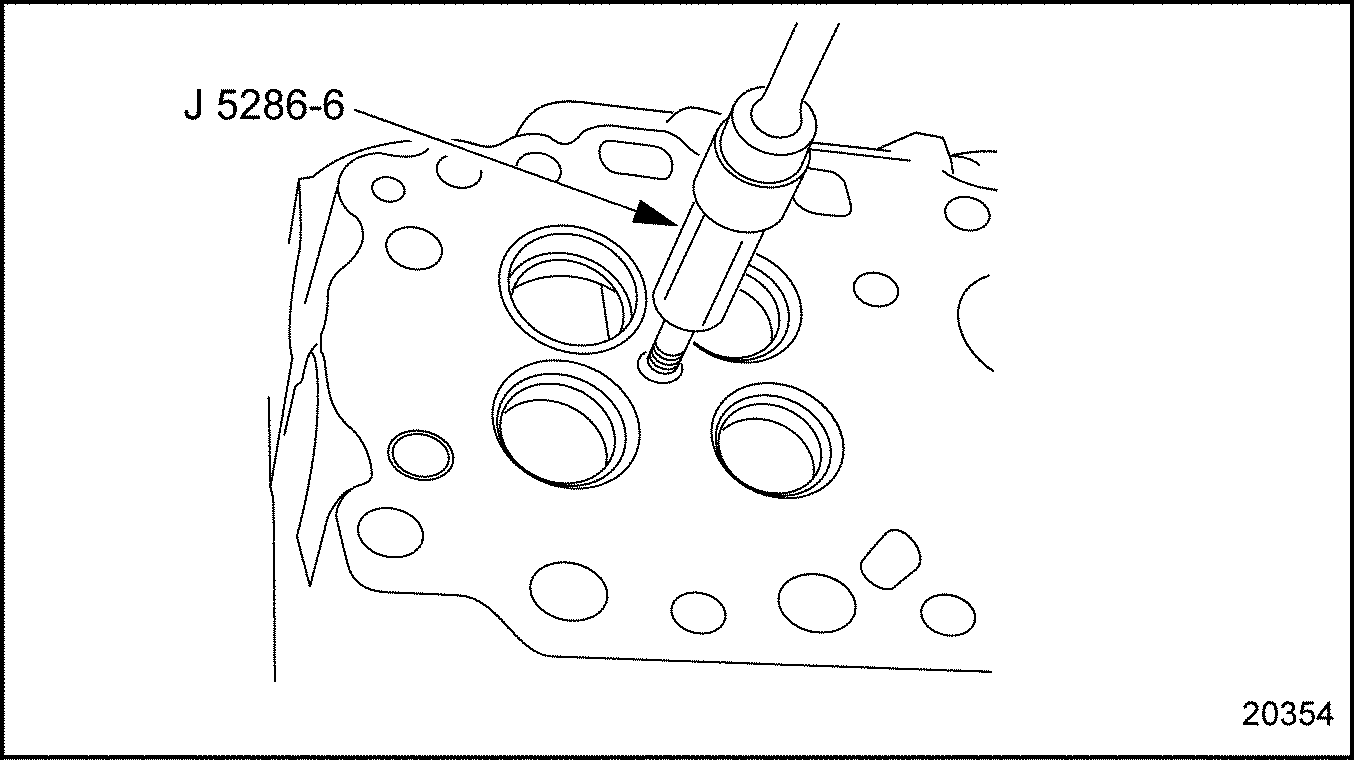
Insert J–5286-6 (part of tool set J–33880)
, through the small hole in the bottom of the tube, rotating to engage the threads in the installation/removal tool.
The tapered lower end of the injector tube must provide a smooth and true seat for the lower end of the injector nut to effectively seal the cylinder pressures and properly position the injector tip into the combustion chamber. To ream the injector tube, complete the following steps:
Turn the reamer in a clockwise direction only (both when inserting and withdrawing the reamer) because movement in the opposite direction will dull the cutting edges of the flutes.
Using a speed handle with 7/16 in. socket attached, turn the tip reamer in a clockwise direction using light pressure until it goes completely through the end of the injector tube.
EYE INJURY
To avoid injury from flying debris when using compressed air, wear adequate eye protection (face shield or safety goggles) and do not exceed 276 kPa (40 psi) air pressure.
If the seat reamer is dropped into the pilot, or is allowed to strike the injector, chatter marks may result in the injector tube seat. Use extreme care when inserting the seat reamer to prevent damaging the tube.
Inspect the tube seating surface to ensure that there are no irregularities or chatter marks in the seating surface. If irregularities or chatter marks are found, remove and replace the injector tube. See Figure
"Injector Tube Seat Irregularities"
.
Figure 13. Injector Tube Seat Irregularities
EYE INJURY
To avoid injury from flying debris when using compressed air, wear adequate eye protection (face shield or safety goggles) and do not exceed 276 kPa (40 psi) air pressure.
Remove the reamer and pilot. Clean out the injector tube with compressed air.
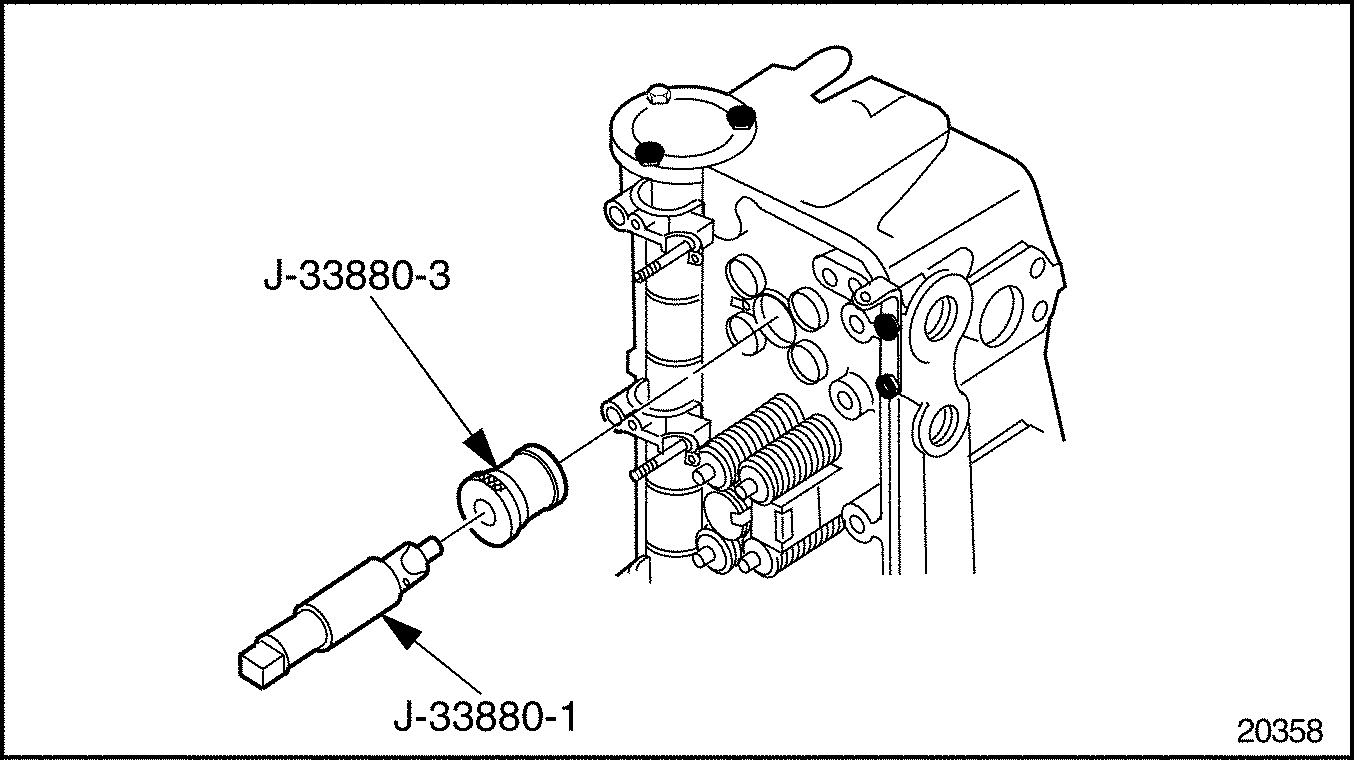
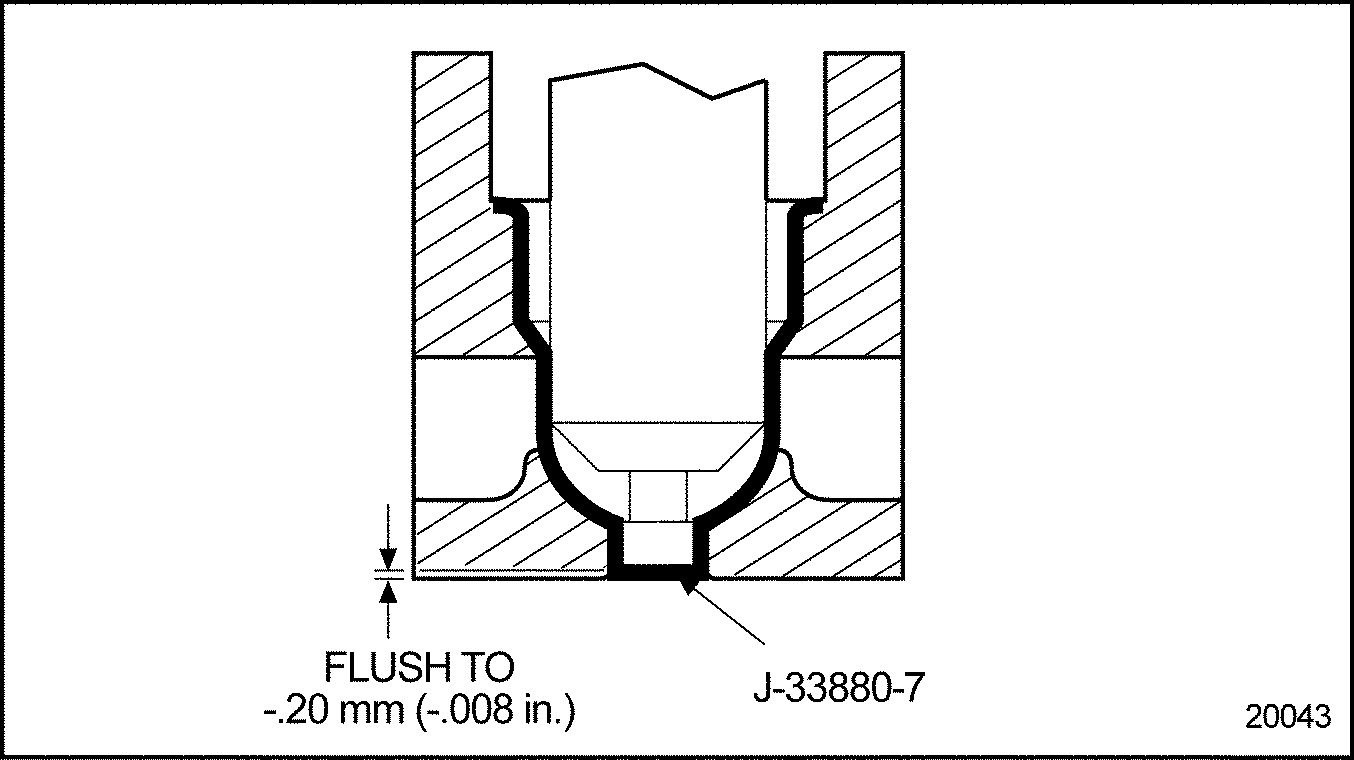
Using a 12-point socket and speed handle, turn the refinisher to remove excess stock so that the lower end of the injector tube is from flush to -0.20 mm (-0.008 in.) below the firedeck surface of the cylinder head.
EYE INJURY
To avoid injury from flying debris when using compressed air, wear adequate eye protection (face shield or safety goggles) and do not exceed 276 kPa (40 psi) air pressure.
Check injector tip protrusion using J–22273–01
. Hold protrusion gage against pilot while measuring tip protrusion. This measurement should be flush to -0.20 mm (-0.008 in.).